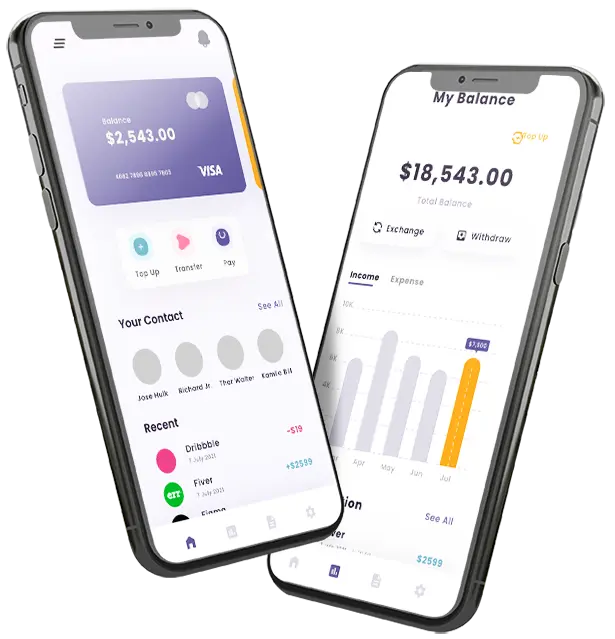
Contactless payments have transformed the way people shop, with NFC and QR code payments becoming everyday options in stores across the world. As shoppers look for speed and convenience, modern retailers need to keep up with changing expectations. NFC (Near Field Communication) and QR code payments now stand out as the two most popular contactless choices on the market.
Each has unique strengths. NFC offers quick tap-to-pay with mobile wallets and cards, while QR codes bring flexibility without extra hardware. As more retailers consider which payment method fits best, it comes down to how each technology meets real-world needs for adoption, security, and ease of use. This post breaks down how NFC and QR code payments compare in busy stores, small businesses, and everything in between, so you can decide which system will work best for your customers now and in the years ahead.
Contactless payments are now the norm, but how exactly do NFC and QR code payments work? Both are common sights in stores and restaurants, with shoppers either tapping their phones or scanning codes at checkout. Even though each method sounds high-tech, once you break it down, both are pretty easy to use and understand. Here’s what sets them apart, plus a look at how they show up in daily retail life.
NFC stands for Near Field Communication, which may sound technical, but it boils down to this: you pay by holding your device close to a payment reader. No need to insert a card or sign a receipt.
How NFC works:
Real-world examples:
NFC payment tech is seamless, secure thanks to tokenization (your real card number is never shared), and often supports features like facial recognition or fingerprint authentication for an added layer of safety.
QR code payments use those pixelated, black-and-white square barcodes everyone has seen on restaurant tables and posters. Rather than a tap, they work through your phone’s camera.
How QR code payments work:
Common uses for QR code payments:
QR codes are especially popular for businesses that want to accept payments without buying extra hardware. Any smartphone with a camera can scan them, and they’re flexible enough for small family shops and bustling restaurants alike.
Here’s a quick side-by-side look at the main differences.
| Feature | NFC Payments | QR Code Payments |
|---|---|---|
| How you pay | Tap device close to terminal | Scan code with phone camera |
| Requires hardware | Yes, needs NFC-capable terminal/device | Just needs a printed or digital code |
| Speed | Instant, usually less than 1 second | Takes a few seconds to scan and confirm |
| Security | High (tokenization, biometrics) | Varies (depends on app, can be spoofed) |
| Use cases | Retail, grocery, transit, fast checkout | Restaurants, pop-ups, invoices, e-commerce |
| Accessibility | Needs compatible phone/card and terminal | Any phone with a camera, no special app |
Both NFC and QR code payments give buyers and businesses a path to quick, contactless sales. The choice often comes down to what equipment is on hand and how smooth you want the checkout experience to be. While NFC keeps things as simple as a tap, QR codes shine where flexibility and minimal setup matter most.
Retailers are investing big in contactless options to keep up with customer habits and new tech. Over the past year, adoption rates for both NFC and QR code payments have reached record highs, driven by demand for fast checkout and flexible shopping experiences. With over 65% of U.S. card transactions now contactless, and nearly half of American shoppers trying QR code payments at least once in 2023, it’s clear that both systems are part of daily life. Between mobile wallets, loyalty programs, and easy self-checkout, retailers are picking the best fit for their business model. Let’s see where each is winning, and how major brands are putting them to work.
Retailers choose between NFC and QR codes based on what fits their stores, customers, and speed requirements. Here are some real-life ways these payment methods show up across sectors:
Grocery and Big-Box Stores
Restaurants and Hospitality
Convenience Stores and Gas Stations
E-commerce and Pop-up Markets
Sector-Specific Trends
| Sector | NFC Usage Example | QR Code Usage Example | Favored Method |
|---|---|---|---|
| Grocery | Tap-to-pay at checkout, loyalty integration | Scan digital coupon, mobile loyalty app | NFC |
| Restaurants | Mobile wallet device on table, tap and split | Scan to order, pay, and earn loyalty | QR Codes |
| Convenience Stores | Tap at pump and counter, quick exit | Scan for exclusive deals, rewards | NFC |
| Pop-up/E-commerce | Portable NFC readers, app-based payments | Scan to pay sign, no extra terminals needed | QR Codes |
| Hospitality/Hotel | Room upgrades/checkout via NFC card/phone | QR for in-room dining, digital guest guides | Hybrid |
Recent Data at a Glance:
Key Takeaway:
Retailers are picking the tech that matches their pace and customer expectations. NFC rules where speed and security drive repeat purchases, while QR codes thrive in restaurants, marketing, and mobile retail. Many stores now offer both, letting shoppers choose what works best for them—one quick scan or tap at a time.
Shoppers expect every payment to be not just fast, but safe and worry-free. With contactless options now everywhere, confidence in NFC and QR code payments depends on how well each guards your money and personal data. Understanding the real-world safety of both methods can help retailers and customers steer clear of risks, while making checkout a breeze.

Photo by iMin Technology
Both NFC and QR payments keep daily transactions moving, but not all security shields are built the same. Here’s a rundown of what each tech brings to the table:
NFC Payments:
QR Code Payments:
Every system has a weak spot. NFC and QR code payments are no exception, and knowing their blind spots can help you avoid trouble.
NFC Risks:
QR Code Risks:
At a glance, here’s how the main vulnerabilities compare:
| Threat Type | NFC Payments | QR Code Payments |
|---|---|---|
| Skimming/Card Reading | Low risk (close range) | N/A (no wireless data) |
| Tampering | Terminal tampering | QR code swapping/stickers |
| Phishing/Social Engineering | Medium risk | High risk (fake codes online) |
| Data Theft | Tokenized/nonexposed | QR data exposed in code |
| Stolen Device Use | Secure w/biometrics | PIN/Biometrics required |
The right habits and tools take the stress out of paying or accepting money. Here’s what works best:
For Retailers:
For Customers:
Criminals keep looking for new tricks, but security tech keeps growing. In 2025, more scams rely on AI-generated fake codes or social engineering, but both big payment providers and banks raise their shields year by year.
Key findings (2025):
Ways the industry is boosting confidence:
Takeaway for Retailers and Shoppers:
With the latest safety features and good habits, both NFC and QR code payments keep money moving securely. NFC leads for pure security and trust, thanks to tokenization and quick-user verification; QR codes catch up where dynamic codes and app security play their part. The weak link is often old habits, not new tech—smart use and awareness close those gaps fast.
When people shop in 2025, they expect paying to be quick, smooth, and safe, whether they’re in a busy city store or grabbing coffee with friends. Preferences for NFC or QR code payments are shaped mostly by speed, trust, and the little details that make checkout easy. Age, comfort with technology, and even where a person shops also play big parts in which method wins their loyalty. Let’s break down what really matters to today’s shoppers.

People value payment methods that are faster than fumbling with cash or typing in card numbers. Most shoppers notice the time it takes to complete a purchase, and it affects what they pick next time.
Shoppers reward retailers who value their time. If a checkout line is moving slowly, more than half of people will reconsider returning.
Consumers want payment options that fit the way they shop, not the other way around. Convenience shapes loyalty more than price or even brand.
Key convenience drivers:
Surveys in 2025 show that if a payment method isn’t simple or doesn’t match shoppers’ habits, 65% will walk away before finishing their purchase.
Security is the one thing shoppers will trade convenience for, especially when fraud is in the headlines. How safe a method “feels” can matter more than its technical details.
Clear instructions at checkout and visible security prompts (such as a face scan, confirmation buzz, or big check mark) go a long way in building trust.
Age plays a real part in which payment methods people like most.
Familiarity breeds trust. If someone tries a payment method once and it works, they’re more likely to use it again. Simple, clear experiences shape habits fast.
What shoppers say keeps them coming back:
As more people grow up with mobile payments, anything clunky quickly falls out of favor.
Using face or fingerprint to pay removes the need for PINs or signatures, making both NFC and QR code payments feel more secure and high-tech. Comfort with biometrics has soared—especially among Gen Z and Millennials—with a 45% growth in biometric-authenticated payments in 2023 alone.
| Factor | Why NFC Wins | Where QR Codes Shine |
|---|---|---|
| Speed | Tap is fastest | Slight delay vs. tap |
| Convenience | No extra app needed | Works with any smartphone |
| Security | Trusted encryption and biometrics | Dynamic codes, secured apps |
| User Experience | Consistent at major retailers | Flexible, easy for pop-ups |
| Demographics | Popular with all ages, rising | Gen Z & Millennials lead |
| Set-Up | Needs compatible terminal | Print/post a code—easy |
Shoppers choose what fits their habits, lifestyle, and sense of security. For most, that means NFC for rapid, routine purchases and QR when flexibility or sharing is key. The trend is clear: as payment tech gets easier, faster, and more trustworthy, more people make it part of their daily routine.
Looking toward 2025 and beyond, retail payments are set to change faster than ever. NFC and QR code payments are not just keeping up—they’re also beginning to work together in new, creative ways. From AI security to wearables and hybrid payment systems, retailers have more choices than ever before. Deciding what fits your store comes down to weighing flexibility, security, and what your customers really want at checkout.
Retail tech is blending. Instead of picking just NFC or QR codes, more businesses are rolling out terminals and apps that handle both. Many payment providers are adding QR code scanning abilities to POS terminals that already accept NFC. At the same time, app-based wallets let users choose to scan or tap wherever they shop.
Wearables like smartwatches, fitness bands, and even payment rings are bringing tap-to-pay into everyday life with barely a second of delay. NFC is the tech behind most wearables, and by 2025, more people are paying for groceries, coffee, or gas with a flick of the wrist.
Security threats are growing, but technology is one step ahead. The payment world is investing heavily in smart tools powered by artificial intelligence and machine learning to spot fraud before it can cause harm.
Retailers are using new payment models that weave transactions into every touchpoint. Embedded payments mean shoppers can pay directly from a store app, a smart kiosk, or even during a chat with customer support—no need to fumble for a card or cash.
With all these options, it might feel tricky to land on the best system. Here’s a simple approach retailers can use to make the call:
Both NFC and QR code payments are set to grow by more than 12% each year through 2034. Still, each has its edge:
Here’s a quick comparison to help spot each method’s strengths moving forward:
| Feature | NFC Payments | QR Code Payments | Hybrid Systems |
|---|---|---|---|
| Speed | Instant tap | 2-3 seconds scan-and-confirm | Both: customer choice |
| Hardware Requirement | Needs compatible terminal | Only a smartphone and printed code needed | Often one device fits all |
| Wearable Integration | Yes | Less common | Yes (when NFC supported) |
| AI Fraud Detection | Standard | Growing, but varies by provider | Widely deployed |
| Customer Flexibility | High in-store, less remote | High both in-store and online | Highest |
| Loyalty & BNPL Support | Built-in to major wallets | Easy app integration | App-based or terminal |
Retailers who offer a choice build brand trust, welcome more customers, and stay one step ahead of changes in how people pay. Whether you focus on NFC, QR codes, or both, a flexible, secure, and customer-first payment strategy is the safest bet for the future.
NFC and QR code payments each bring something different to the table for modern retail. NFC stands out for speed, strong security, and seamless use in high-traffic stores and with wearables like smartwatches. QR codes give retailers unmatched flexibility and lower costs, especially for pop-ups, restaurants, and small businesses that need a simple setup.
Choosing the right system comes down to what matters most for your business and your customers. Where speed and security are non-negotiable, NFC usually fits best. When you need flexibility or want to offer payments without extra hardware, QR codes often win. Many stores find the most value in offering both, so shoppers can choose what works for them.
Payment tech keeps moving fast. Stay up to date with new trends, like hybrid systems and wearables, to keep your store competitive and your customers happy. Thank you for reading—share your thoughts below and keep an eye on the next wave of payment innovation.