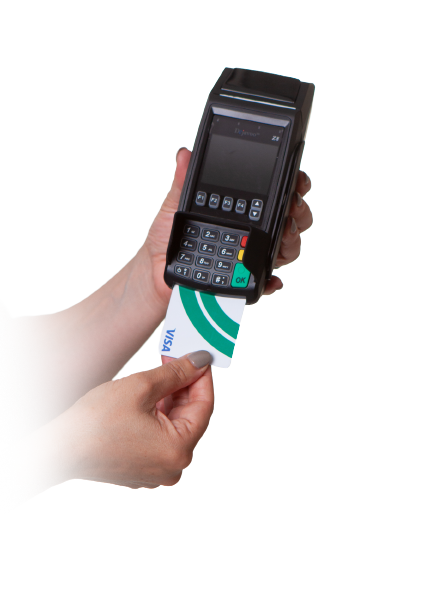
Mobile POS System: Small businesses are embracing mobile POS systems more than ever in 2025, and it’s easy to see why. These systems go beyond traditional cash registers, offering faster processing, contactless payments, and flexibility to meet the needs of today’s customers. Whether it’s accepting payments from anywhere or integrating with loyalty programs and inventory tools, mobile POS solutions are giving small businesses the edge they need to stay competitive. If you’re ready to explore how this technology is reshaping payment options, you’re in the right place.
Mobile POS (Point of Sale) systems have been a driving force in the evolution of how small businesses handle transactions. Staying ahead of consumer expectations and integrating cost-effective solutions is no longer optional—it’s essential. In 2025, businesses continue shifting to mobile POS systems for their ability to deliver flexibility, real-time data access, and enhanced customer experiences. Below, we’ll explore the main drivers behind this rapid adoption and the industries benefiting the most.
Several standout factors are encouraging small businesses to adopt mobile POS systems. Let’s take a closer look at why these systems are becoming critical tools for growth:
This combination of affordability, simplicity, and adaptability is why 2025 is shaping up to be a year where more businesses than ever ditch traditional systems in favor of mobile-first solutions.
While mobile POS systems offer broad benefits, certain industries are experiencing transformative advantages. These tools are changing how businesses operate in fast-moving, customer-facing environments. Here’s where they’ve become indispensable:
Small retailers were among the first to adopt mobile POS technology, and it’s easy to see why. Real-time inventory tracking, streamlined checkout experiences, and integration with e-commerce platforms make these systems a must-have. Whether managing a boutique clothing store or a local artisan shop, the ability to unify online and in-person sales is a game-changer.
From food trucks to full-service restaurants, the hospitality industry sees significant value in mobile POS platforms. Systems like Toast and Clover allow waitstaff to take orders directly at the table or curbside, reducing errors and speeding up kitchen-prep times. For food trucks or pop-up bakeries, devices like Square ensure quick and easy payments so lines move efficiently.
Event vendors and pop-up shop owners love mobile POS systems for their portability and ability to process transactions on the go. Whether selling handcrafted jewelry at a farmer’s market or custom artwork at an expo, mobile POS keeps operations running smoothly without requiring a permanent setup.
Across these sectors, mobile POS systems don’t just save time—they give small businesses a competitive edge by combining convenience with powerful backend tools like data analytics, real-time sales tracking, and customer engagement tools. Think about it: If your technology simplifies the customer experience while offering you actionable insights, doesn’t it make for a team player you can’t live without?
Payment technologies are advancing rapidly, shaping how businesses manage transactions and connect with customers. In 2025, mobile POS systems are integrating innovative features to provide faster, more secure, and efficient transaction methods. Small businesses now have access to tools that were once exclusive to large enterprises, leveling the playing field and enhancing customer experiences.
Let’s examine how these emerging technologies are redefining the mobile POS landscape.
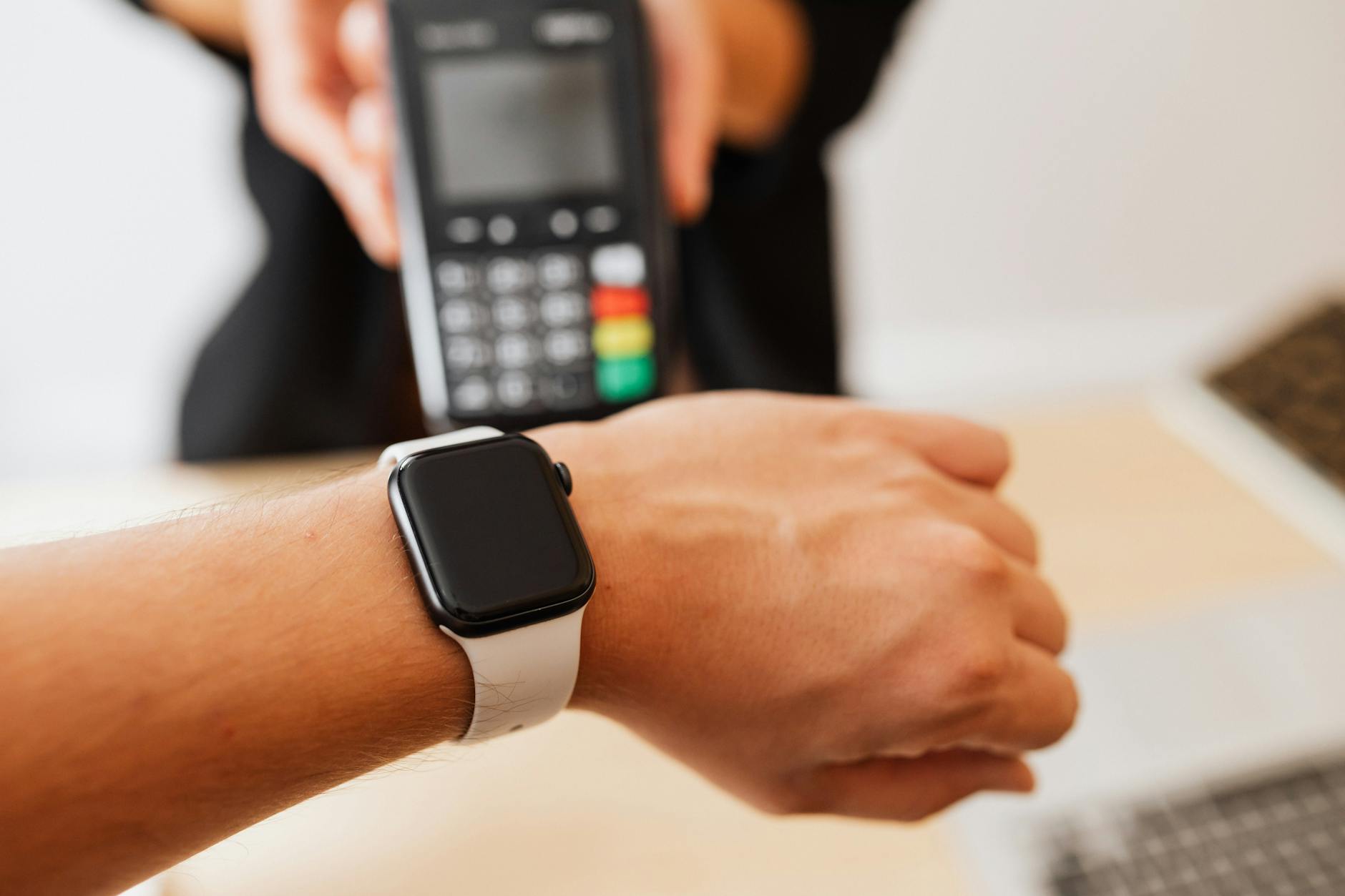
Contactless payments are no longer a novelty—they’re expected by customers. Small businesses are adopting payment methods like NFC (Near Field Communication), biometric authentication, and QR codes to meet these expectations.

These contactless options not only enhance convenience but reinforce customer trust by making payment processes swift and safe.
AI is rapidly becoming indispensable in modern mobile POS systems. Beyond simplifying transactions, it empowers businesses to understand their customers and stay ahead of trends.
This fusion of AI and POS technology turns small businesses into data-driven powerhouses, ensuring they not only meet customer expectations but exceed them. Isn’t it compelling to know your payment system is also your business coach?
By embracing these technologies, mobile POS systems are empowering small businesses with tools that are efficient, reliable, and scalable—ensuring they thrive in an evolving world of commerce.
Today’s customers expect businesses to meet them wherever they are—online, in-store, or on the go. For small businesses, delivering a seamless omnichannel experience is no longer a luxury; it’s a necessity. Mobile POS systems provide the tools to unify sales channels, making it easier than ever to blend physical and digital touchpoints. Let’s break down the undeniable benefits this brings to businesses and explore real-world success stories that demonstrate the power of omnichannel integration in action.
When your systems are speaking the same language across all channels, everything just works better. Mobile POS systems make it possible to integrate inventory, sales, and customer data into one cohesive experience. Here are the benefits that matter most:
Omnichannel systems aren’t just about convenience—they’re about operational efficiency and building long-term customer relationships. When businesses simplify the buying journey, they often see higher satisfaction and repeat business.
Small businesses across industries are already capitalizing on the power of omnichannel solutions powered by mobile POS systems. Let’s take a look at a few standout examples:
Imagine a small clothing boutique looking to compete with larger retailers by adopting Shopify POS. They sync their in-store inventory with their e-commerce site, creating a single source of truth for all sales. With omnichannel tools in place, shoppers can find what they’re looking for online, reserve it for try-on in-store, and make their purchase seamlessly. It’s this kind of frictionless experience that not only boosts sales but also brings in foot traffic.
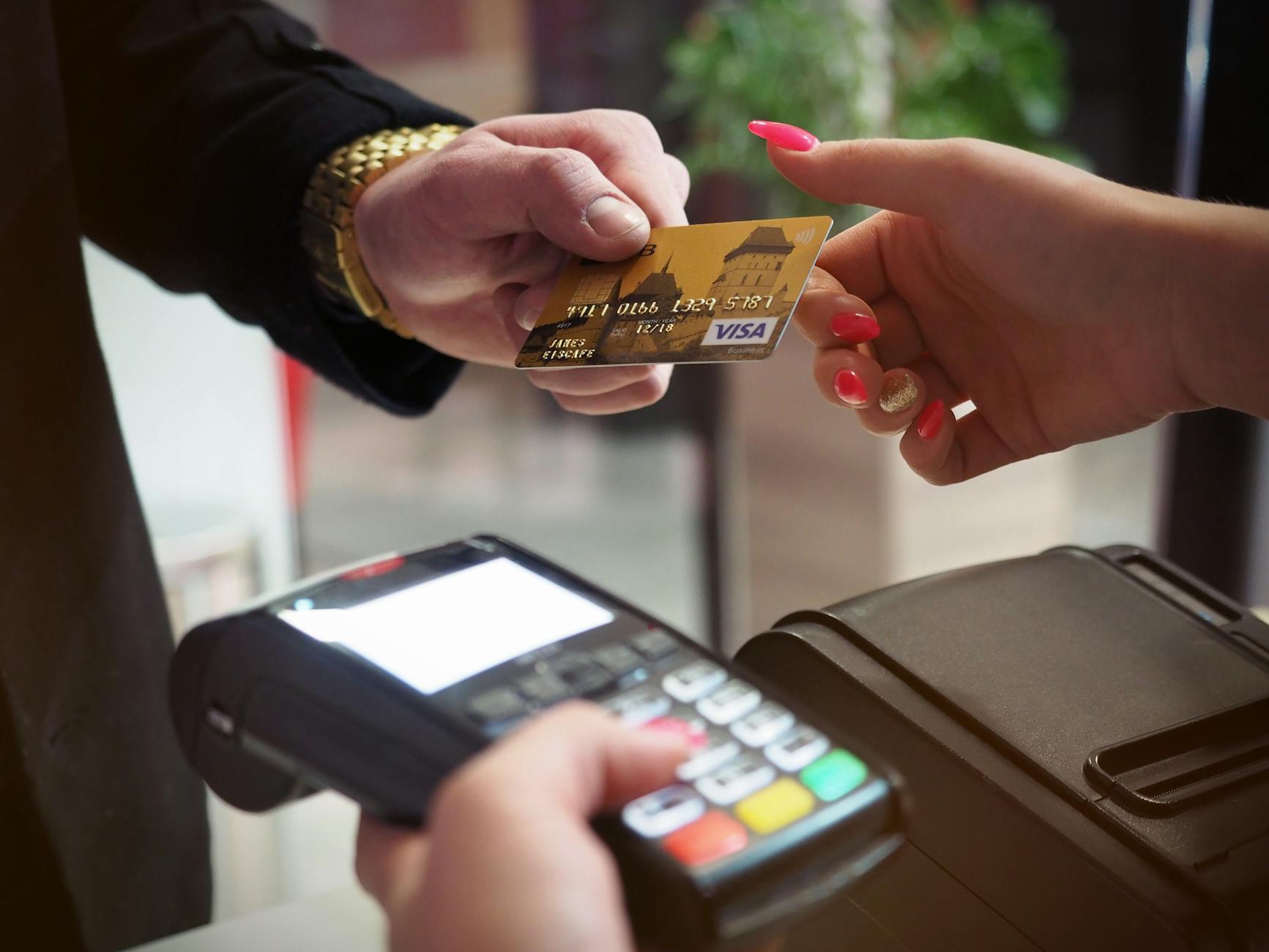
Pop-up events like farmer’s markets and trade shows demand flexibility. A handcrafted jewelry business using Square POS ensures every sale is automatically integrated into their full sales platform. Whether it’s a jewelry piece sold at an event or through an Instagram store, their inventory and customer data stay accurate. This is especially key for small businesses that can’t afford to lose track of inventory during busy seasons.
In the hospitality sector, customers expect omnichannel convenience. A growing fast-casual chain integrates Toast POS with online ordering functionality. Customers can order ahead online, pick up their meals in-store, or dine in—whichever fits their schedule. Operationally, this means fewer line bottlenecks, happier diners, and boosted kitchen efficiency.
These examples show how mobile POS systems deliver incredible value by helping small businesses scale modern customer expectations into their everyday operations. From local retailers to food vendors, businesses can thrive by embracing technology that unifies processes and eliminates barriers between channels.
In 2025, mobile POS (Point of Sale) systems are more than just tools for processing transactions—they are powerful analytics engines helping businesses make smarter, data-driven decisions. For small businesses, these systems deliver real-time insights that can revolutionize how they manage inventory, optimize staffing, and navigate shifts in customer behavior. Here’s how mobile POS systems are transforming everyday operations.
Managing inventory and staffing levels is often a balancing act for small businesses. Too much inventory ties up resources, while too little risks losing sales. Similarly, overstaffing drains profits, but understaffing can hurt customer experiences. Mobile POS systems simplify this equation, allowing you to make sense of complex operational needs through actionable data.
The analytics do the heavy lifting, enabling small businesses to streamline operations, reduce waste, and stay ahead of customer expectations without juggling spreadsheets.

Understanding your customers and what drives your revenue is essential for growth. Mobile POS systems give businesses a competitive edge by offering comprehensive insights into sales trends and consumer behavior. It’s like having a business coach that works in real time.
In a market where one poor decision can be costly, having accurate and actionable data in your pocket offers small businesses clarity and confidence to chart their path forward.
As sustainability becomes an essential focus for businesses in 2025, mobile POS systems are stepping up to the challenge. These systems aren’t just about handling transactions—they’re transforming operations to reduce environmental impact. With everything from digital receipts to energy-efficient hardware, what once seemed futuristic is now mainstream. Here are some of the key ways mobile POS systems are aligning with green business practices.

One simple yet effective way mobile POS systems promote sustainability is through digital receipts. Traditional printed receipts are often discarded immediately, contributing to significant amounts of paper waste annually. By offering receipts via email or SMS, businesses save on paper while providing a cleaner and more convenient experience for customers.
Digital receipts aren’t just eco-friendly—they’re also practical. Customers appreciate the ease of organizing their expenses digitally without the need to keep track of tiny paper slips. It’s greener and more efficient for everyone.
For small businesses, this small change can make a big impression. It signals an awareness of sustainable practices while leveraging functionality that customers already value.
In 2025, eco-friendly hardware is no longer optional—it’s becoming the new standard. Manufacturers are introducing POS equipment built with sustainability in mind, focusing on reducing energy consumption and utilizing recyclable materials. Let’s break this down.
For example, companies like Clover and Square emphasize creating durable devices that last longer, reducing the need for frequent replacements. Longer lifespans mean fewer resources are wasted in production and disposal.
Additionally, businesses embracing energy-efficient POS systems can position themselves as environmentally responsible, attracting eco-conscious customers. It’s a win-win: cutting costs while appealing to the growing market of sustainability-minded shoppers.
By integrating these sustainable designs, mobile POS systems are helping businesses meet their operational needs while paving a greener path for the future.
Mobile POS systems are reshaping how small businesses operate, enabling them to deliver faster, more flexible, and secure payment options. By integrating advanced tools like AI-driven insights, omnichannel capabilities, and contactless payments, these systems are leveling the playing field for businesses of all sizes. They don’t just simplify transactions—they optimize operations, improve customer satisfaction, and help businesses make smarter decisions.
To stay competitive in 2025, embracing these evolving technologies is essential. Small businesses that adapt now will have the tools to remain agile and meet rising customer expectations. Ready to future-proof your business? Explore the latest mobile POS solutions and take that next step toward seamless payment experiences. Have questions or success stories about using mobile POS? Share your thoughts below!